
Sherman's backups have local causes. In the older neighborhoods near downtown and the Austin College area, clay sewer laterals have been in the ground for generations, and oak and pecan roots work into their joints until a line that drained slowly for months blocks completely, usually announced by a toilet that backs up into a tub. Elsewhere, main-line blockages, heavy storm inflow, and failing septic components on the city's edges produce the same result from different directions. However it arrives, sewage in a living space is never a mop-and-bucket job: the EPA's guidance on flood and sewage safety is blunt about avoiding contact with water that may carry sewage, and professional cleanup follows that logic.
The hard part of sewage work is the material decisions. Porous materials, carpet and pad, drywall, insulation, upholstered furniture, particleboard, absorb contaminated water into their structure where no surface cleaning reaches. Those come out, bagged and disposed of properly. Hard, non-porous surfaces, tile, sealed concrete, metal, solid wood that has not swollen apart, can be cleaned and treated with antimicrobial products and verified dry. Getting that line right is the whole job: too little removal leaves contamination behind; too much throws away parts of your home that were perfectly salvageable.
One boundary matters in Sherman: whether the property drains to the city sewer or to a septic system. Most of the city is on municipal sewer; some properties at the edges are not. A backup on a septic property can mean the tank or its field is the problem rather than the line, and the cleanup conversation includes that possibility from the start. Say which system you have when you call, if you know, and 'no idea' is a common and perfectly workable answer.
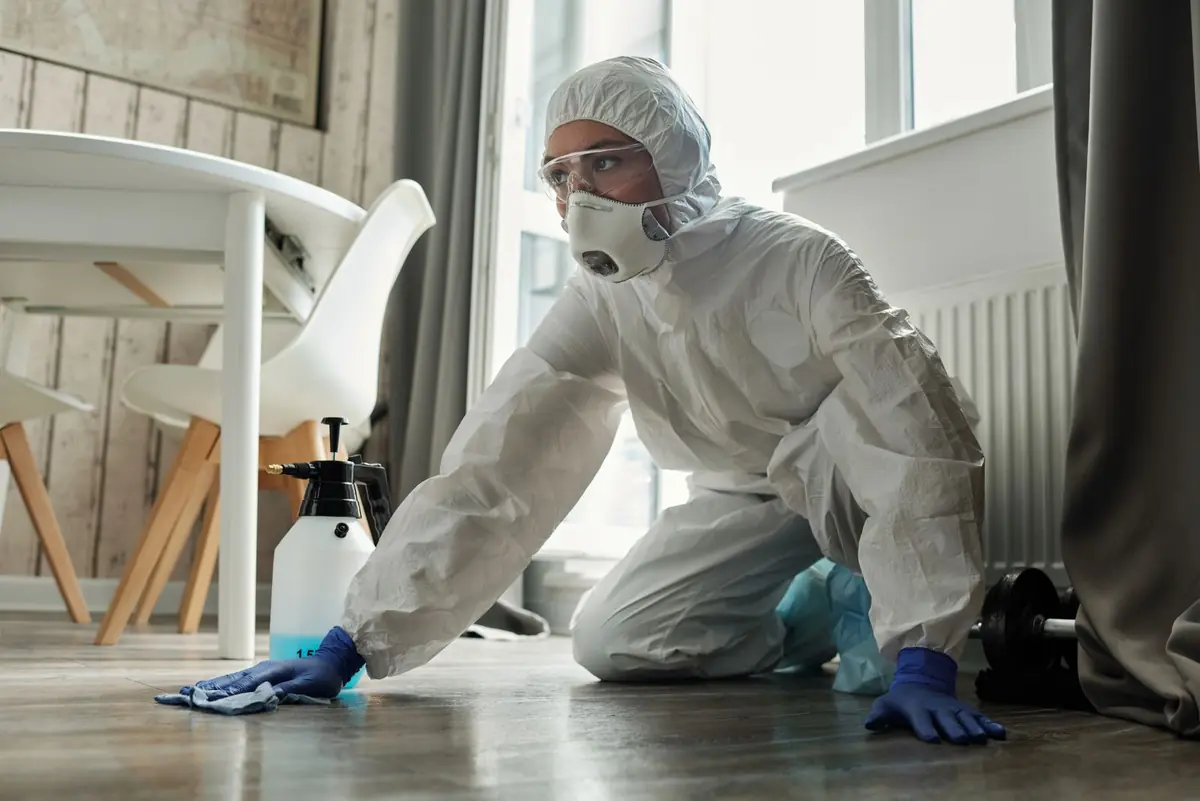
How Sewage Cleanup Works
A sewage call in a Sherman home proceeds carefully, in this order:
- The area is sealed off and ventilated, and everyone not in protective equipment, children and pets first, stays out until it is cleaned.
- All home water use stops until the line problem is understood, so no new water pushes more sewage into the house.
- Solid waste and standing sewage are removed with dedicated equipment, followed by extraction of contaminated water from every affected surface.
- Contaminated porous materials come out, carpet, pad, affected drywall cut back to clean material, insulation, and swollen composite furniture or cabinets.
- Remaining surfaces are cleaned and treated with antimicrobial products, then the structure is dried under the same measured process as any other restoration.
- Removed material is bagged and disposed of as contaminated waste, and the line itself is referred for clearing or repair so the backup does not simply repeat.
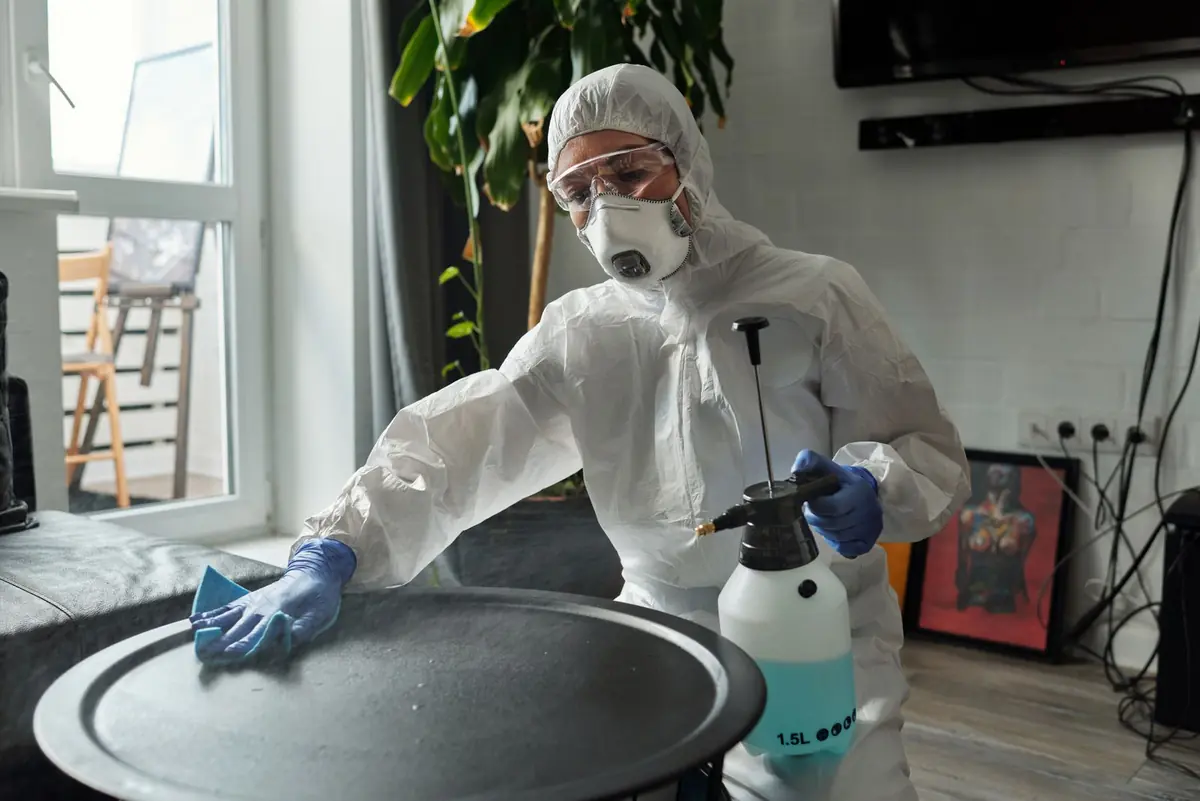
Signs The Problem Is The Main Line, Not One Fixture
One slow sink is a clog. These patterns mean the main line, and a much bigger risk:
- Several drains slow at once, or the lowest fixtures in the house drain worst.
- Flushing a toilet makes a tub or shower drain gurgle, or water rises in it.
- A floor drain in the laundry room or garage has water standing in it, or a sewage smell comes from it.
- Water backs up somewhere in the house when the washing machine drains its load.
- Backups that arrive with heavy rain, when storm inflow is pushing on the system.
After The Cleanup: The Line Itself
Cleanup fixes the house; it does not fix the pipe. A sewage backup means something downstream is blocked, broken, or overwhelmed, and until that cause is addressed the backup is a recurring event with a date to be determined. The usual next step is a camera inspection of the lateral, the pipe running from the house to the city main, which shows whether the blockage was a one-time obstruction, a root mass that clearing can remove, or a cracked, offset, or bellied line that will keep catching solids until it is repaired. That inspection is plumbing work, arranged alongside the restoration rather than by it.
Sherman's older laterals reward prevention. The clay lines around downtown and the college were jointed in short sections, and roots enter at those joints; a line that has been cleared of roots once will invite them again on a cycle of a few years unless the pipe is repaired or lined. The household side helps too: grease belongs in the bin rather than the sink, 'flushable' wipes belong in the bin rather than the toilet whatever the packet claims, and a floor drain that starts smelling like the sewer is giving early notice that the line's ventilation or flow is already compromised.
Related Guides
From our water damage guides, the homeowner side of this service, in plain language:
Sewage Backup In The House: What To Touch, What To Avoid, When To Leave
Sewage in the house is a health hazard before it is a cleaning job. What you can safely handle, what to leave completely alone, and the signs it's time to get out.
Read the guide →The Three Categories Of Water, Explained: Clean, Gray, And Black
Every water damage job starts with one classification: Category 1, 2, or 3. What the categories mean, where your leak falls, and why water changes category as it sits.
Read the guide →Questions & Answers
Is It Safe To Stay In The House During A Sewage Backup?
It depends on the extent. If the backup is contained in one bathroom and the door can stay closed, the rest of the house is generally fine to occupy while cleanup is arranged. If sewage has spread through main living areas, reached the HVAC return, or the smell is throughout the house, staying elsewhere until the cleanup and sanitising are done is the safer call. When you phone, describe the spread honestly and you will get a straight answer.
What Has To Be Thrown Away After A Sewage Backup?
Porous materials the sewage touched: carpet and pad, the affected section of drywall and insulation, upholstered items, mattresses, and particleboard or MDF furniture and cabinets that absorbed water. Tile, sealed concrete, glass, metal, and solid surfaces can be cleaned and sanitised. The contractor marks the line clearly and explains each call before anything is removed.
Why Does The Smell Come Back After I Clean?
Because surface cleaning does not reach what soaked in. Sewage odour that survives mopping is living in the carpet pad, the drywall paper, or the subfloor, materials that have to be removed for the smell, and the contamination with it, to actually be gone.
What Causes The Tree-Root Blockages In Older Sherman Homes?
Clay sewer laterals are jointed every few feet, and roots find those joints, drawn by the moisture and nutrients inside. Mature oaks and pecans near the older streets around downtown and the college have had decades to work a root mass into a line. Clearing the roots fixes the flow; a camera inspection shows whether the line itself is cracked or offset and likely to block again.
Should I Use The Other Bathrooms While One Is Backed Up?
No. If the main line is blocked, every fixture drains into the same problem, and using other bathrooms or the washing machine can push sewage out of the lowest opening in the house, which is how one backed-up toilet becomes three affected rooms. Stop water use until the line is cleared.
Related Services
Flood Damage Cleanup
Storm and rising-water cleanup for Sherman homes: extraction, mud and debris removal, sanitising, and full structural drying.
About this service →Water Extraction & Removal
Standing water pumped and vacuumed out of floors, carpets, and crawlspaces, the step that limits every bit of damage after it.
About this service →Structural Drying & Dehumidification
Air movers and dehumidifiers placed to a plan, moisture readings taken daily, and materials dried to a measured standard, not a guess.
About this service →Water Damage Help Across Sherman
Across town the picture changes with the houses: Austin College Area brings its own version of this problem, and so does West Sherman. The Sherman service areas pages walk through each part of town.