
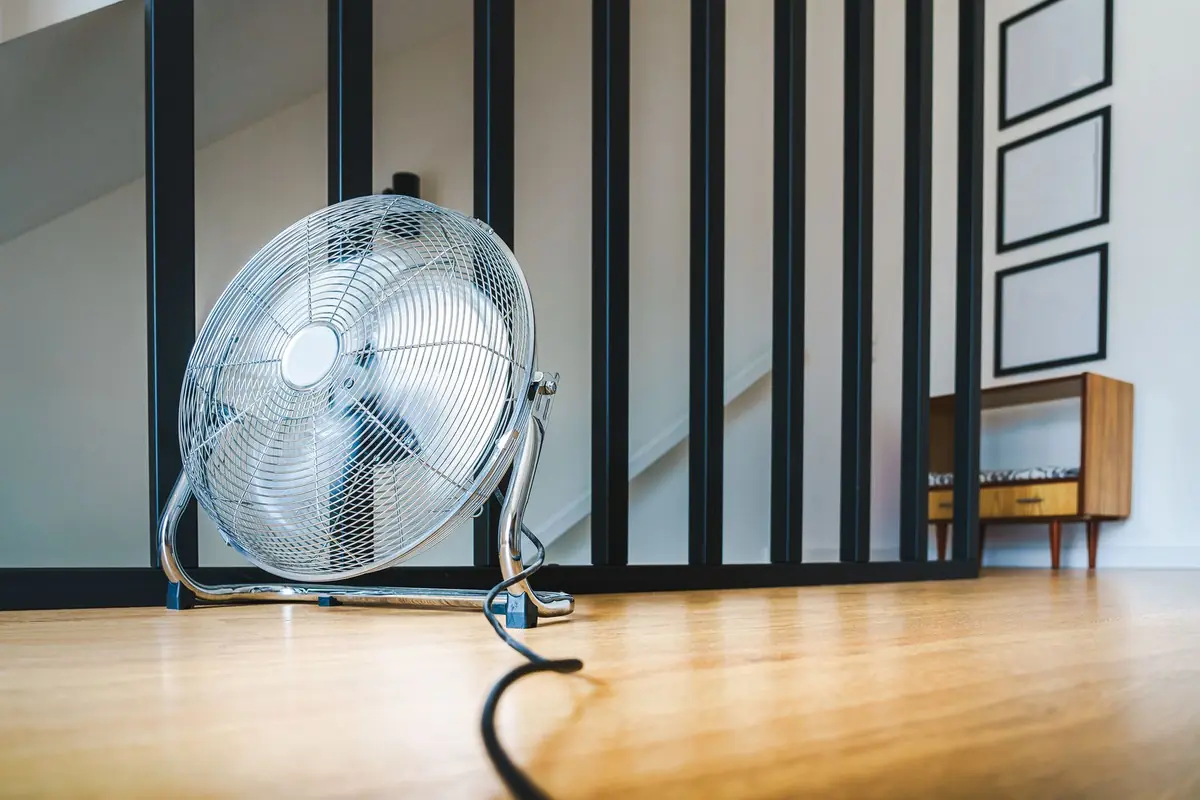
Drying is applied physics. Wet drywall gives up its moisture to moving, dry air; that air then has to be dehumidified or the room simply reaches saturation and evaporation stalls. Professional setups balance the two sides, enough air movement across every wet surface, enough dehumidification capacity for the space, and professional drying follows the framework of the industry's ANSI/IICRC S500 standard for water damage restoration. A household fan does the first half of the job and none of the second, which is why fan-dried rooms so often smell musty a month later: the surfaces felt dry while the wall cavities stayed wet.
Sherman homes add their own wrinkles. Slab-on-grade houses hold moisture at the slab's edge and under flooring that has to be dried from above with directed air. Pier-and-beam homes downtown and near Austin College need their crawlspaces dried as part of the same system, or moisture keeps feeding the floor from below. Summer makes everything harder: after a June storm the outside air is nearly as wet as the house, so open windows work against the equipment, drying Sherman homes is a closed-system job for most of the year.
Expect the daily rhythm: a technician visits each day to take readings at the same marked points, reposition equipment as rooms dry unevenly, and record everything in the moisture log. That log is not bureaucracy, it is the evidence, for you and for any insurer or future buyer, that the structure reached its dry standard rather than merely looking dry on the day the fans left. Keep it with your home's papers when the job is done.
How Structural Drying Works
A drying job on a Sherman property is set up, monitored, and finished like this:
- Dry standards are recorded first, moisture readings from unaffected materials in the same house set the target every wet material has to reach.
- Air movers are placed to a plan, angled along walls and across floors so air scrubs every wet surface, not just the middle of the room.
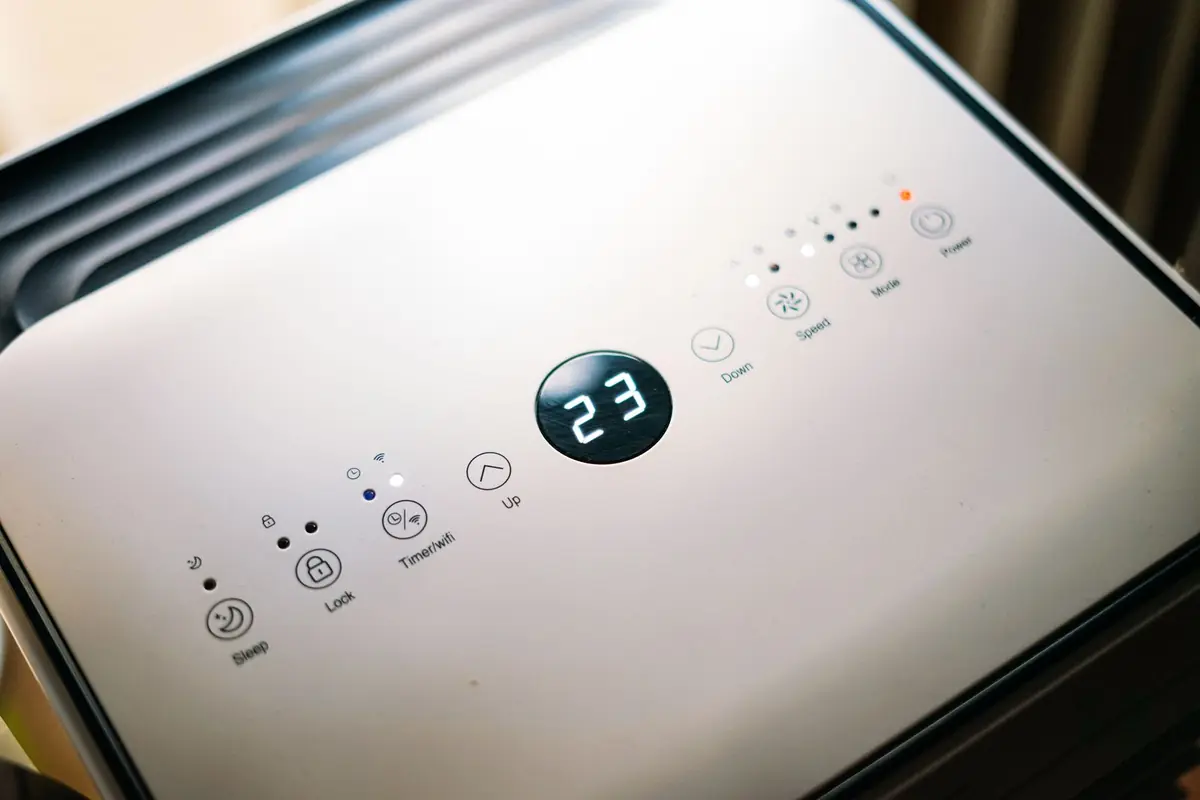
- Dehumidifiers are sized to the space, refrigerant or desiccant units pull the evaporated moisture out of the air and drain it away continuously.
- Wet cavities get direct treatment, baseboards removed and air directed into wall cavities that readings show are wet inside.
- Readings are taken daily and logged, equipment is repositioned or removed room by room as materials reach their dry standard.
- The job ends on measurements, not dates, when the log shows every flagged material at its dry standard, the equipment comes out and restoration can begin.
Signs A Room Is Not Drying On Its Own
If you skipped professional drying, or are deciding whether you need it, these are the tells:
- A musty smell that builds over the first week after the water event, especially near baseboards.
- Paint that bubbles or peels low on walls, or baseboards separating and swelling.
- Hardwood or laminate that starts cupping, crowning, or clicking hollow underfoot.
- Rooms that feel humid compared with the rest of the house days after the event.
- Condensation appearing on windows or cool surfaces near the affected area.
Drying Sherman's Problem Materials
Some materials test a drying plan. Hardwood over a slab gives up moisture through its top face only and must be dried gently to avoid cupping the boards it is trying to save. Vinyl plank over concrete can trap a layer of water against the slab where no air reaches, readings at seams and edges decide whether sections must be lifted to dry the interface. Wet insulation in a wall cavity is the classic holdout: fiberglass can sometimes be dried in place, but soaked cellulose mats down, holds water against the framing, and usually comes out. The professional judgment calls in drying are mostly about these materials, and they are made from readings, not from schedule pressure.
Crawlspaces get their own treatment in Sherman's older homes: after pumping, the crawlspace is dried with directed air and the ground cover assessed, because a damp crawlspace re-wets the floor system above it every night the house cools. Season matters as well. In a humid Grayson County summer the house is dried as a sealed system, windows shut against air nearly as wet as the rooms, while winter jobs can exploit heated indoor air. Equipment choice follows the same physics: refrigerant dehumidifiers for most conditions, desiccant units where temperatures or very low humidity targets demand them.
Related Guides
From our water damage guides, the homeowner side of this service, in plain language:
How Long Does Water Damage Take To Dry? A Timeline By Material
Drywall in days, hardwood in a week or more, concrete on its own schedule. Realistic drying timelines by material, and why the moisture meter, not the calendar, decides.
Read the guide →Mold After Water Damage: How Fast It Grows And What Actually Prevents It
Mold can start on wet drywall within 24 to 48 hours. What it actually needs to grow, what genuinely prevents it, and which popular remedies do not work.
Read the guide →Questions & Answers
How Long Does Structural Drying Take?
Most residential jobs run three to five days of monitored drying. Slab leaks, saturated hardwood, and water deep in wall assemblies take longer; a small, clean, fast-extracted leak can finish sooner. The honest answer is always the moisture log: the contractor can project a timeline after the first day's readings show how fast your materials are giving up water.
Can't I Just Run My Air Conditioning And Some Fans?
Air conditioning does remove some humidity, and fans do move air, but neither is sized or directed for drying a structure, and neither tells you what is happening inside a wall. The failure mode is quiet: surfaces dry, equipment goes away, and the cavity moisture that nobody measured grows mold over the following weeks.
Why Does The Equipment Run All Night?
Drying is evaporation, and evaporation does not pause. Every hour the system is off, wet materials re-wet the air and the surfaces around them, and the clock on mold growth keeps running. Continuous operation is what gets a typical job done in days instead of weeks.
What Is A 'Dry Standard'?
The moisture content a material has when it is normally dry in your home, measured on the same material in an unaffected room. It is the only honest target: drywall in a Sherman summer does not read the same as drywall in a heated winter house, so the goal is set from your house, not from a chart.
Does Drying Prevent Mold?
Drying is the mold prevention. Mold needs moisture more than anything else, and it can start on wet materials within 24 to 48 hours. Getting materials to their dry standard quickly, and verifying it, is what keeps a water job from becoming a mold job on top of it.
Related Services
Water Extraction & Removal
Standing water pumped and vacuumed out of floors, carpets, and crawlspaces, the step that limits every bit of damage after it.
About this service →Burst Pipe Water Damage
Freeze splits, slab leaks, and sudden line failures, water extracted and dried, wet cavities opened where needed, and the room restored.
About this service →Appliance Leak Cleanup
Water heaters, washing machines, dishwashers, and ice-maker lines, small connections that cause outsized floods when they finally fail.
About this service →Water Damage Help Across Sherman
Across town the picture changes with the houses: Texoma Parkway Corridor brings its own version of this problem, and so does Austin College Area. The Sherman service areas pages walk through each part of town.