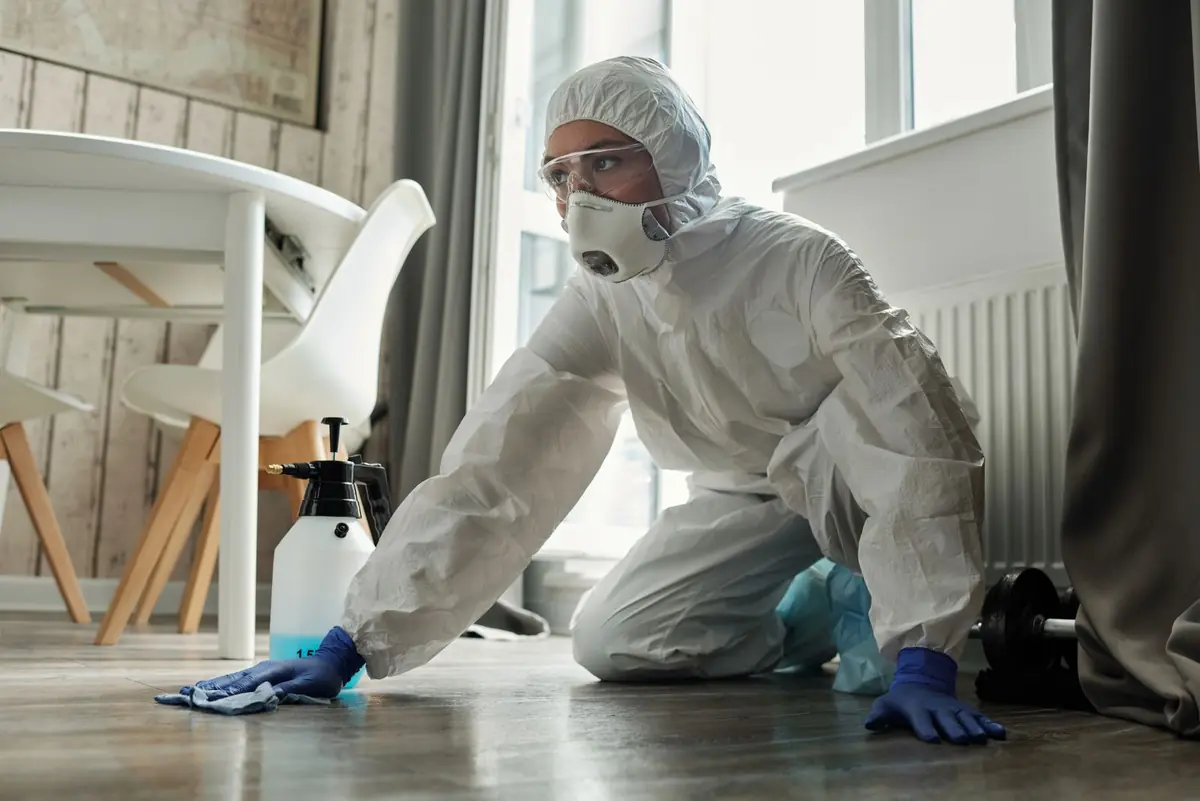
How contaminated the water is decides how the cleanup is done.
From sanitary sources
Burst supply lines, appliance feed lines, and rainwater that comes through the roof.
Clean at the source, but it does not stay clean for long once it spreads through a building.
Carries chemicals or waste
Dishwasher and washing machine discharge, shower and sink water, toilet overflow.
It can make people sick, and materials it soaks into may have to come out, not dry out.
Grossly contaminated
Sewage backups, rising floodwater, and water that has stood long enough to sour.
Porous materials it touches are removed, and the area is sanitised before drying starts.
Water left standing can move up a category as it sits. The category is recorded on every job.
First: Stop Adding Water
A sewage backup means the line out of your house is blocked or overwhelmed, and every drain in the building leads to the same exit. So the first rule overrides household instinct: stop using water. No flushing, no showers, no laundry, no dishwasher. Each use pushes more sewage toward the lowest opening in the house, the backed-up tub, the floor drain, and turns one affected room into three. If fixtures are actively overflowing, close the home's main water supply as well; it will not drain what is there, but it stops the inflow feeding it.
Then treat the affected rooms as what they are: a contaminated area. Sewage carries bacteria and viruses, and the EPA's guidance on flooding and sewage is direct about avoiding contact with it. Everything in this guide follows from that fact.
What You Can Touch, Very Little, Carefully
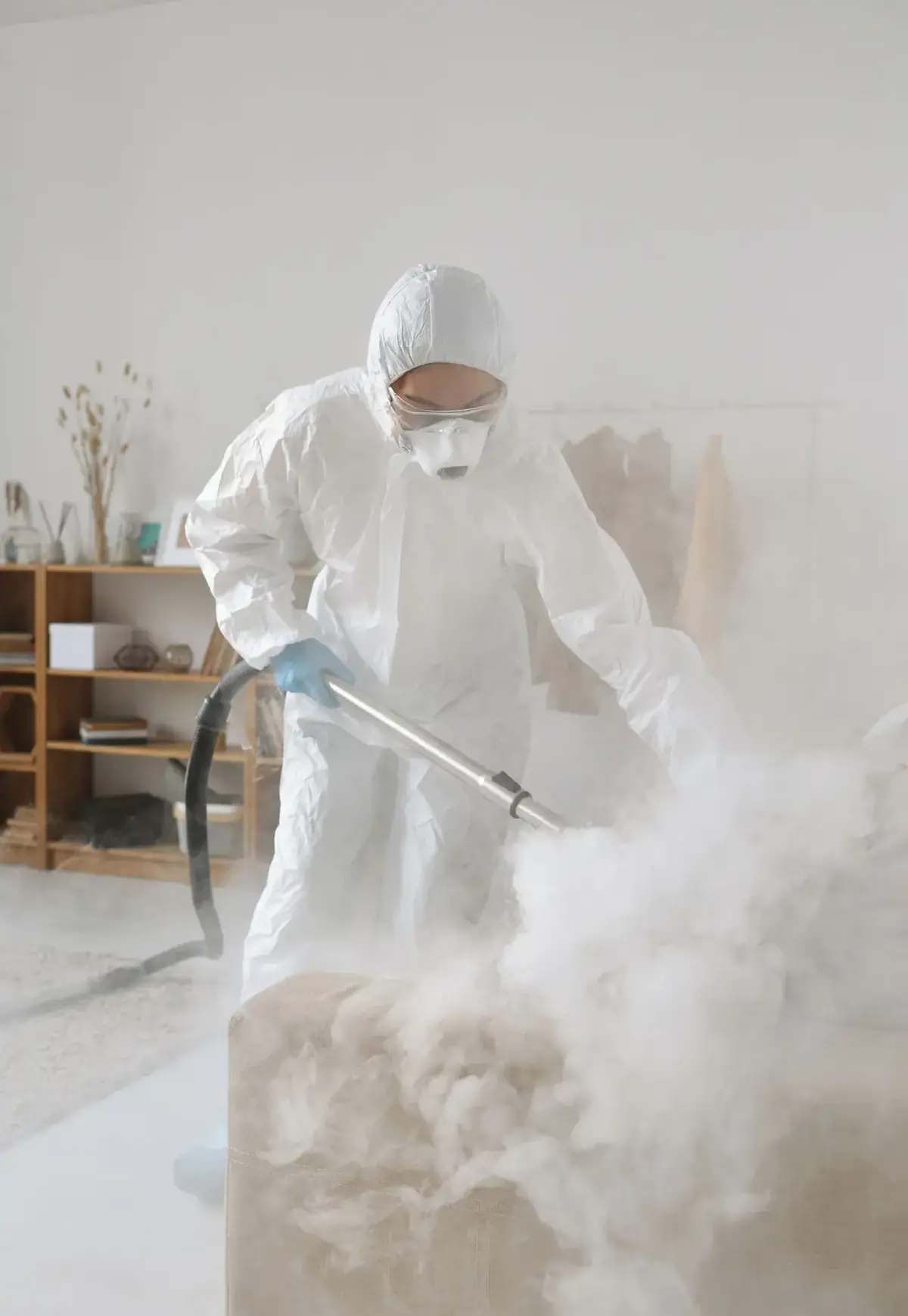
The honest list is short. With rubber boots and gloves on, you can move dry belongings out of rooms the sewage has not reached, shut doors to contain the area, and open exterior doors or windows of an affected room for ventilation if you can do it without crossing the contamination. Photograph everything from the doorway, insurers will want those pictures, and the doorway is as close as you need to get.
Everything else waits for professional sewage cleanup. That is not preciousness; crews arrive with protective equipment, dedicated extraction gear, and antimicrobial products because the work genuinely requires them.
What To Avoid
- Do not mop sewage across floors or rinse it toward other drains, you spread contamination into rooms and grout lines that were clean.
- Do not use your household vacuum or shop vac. It is not rated for contaminated water, it aerosolises what it touches, and the machine itself becomes contaminated waste.
- Do not let children or pets into the area, and wash hands and boots before re-entering clean rooms if you have been near it. Track marks carry contamination on their own.
- Do not run the HVAC if a return vent sits in or near the affected area; you risk pulling contaminated air through the house's lungs.
- Do not try to clear the main line yourself with a rented auger during an active backup. The line may be collapsed, root-bound, or pressurised by the blockage, and in older Sherman neighborhoods the lateral's condition is unknown until a camera sees it.
When To Leave The House
Most single-bathroom backups are liveable around: close the door, use the other bathroom (carefully, remember the shared line), and wait for the crew. Leave, and stay with family or check the options your insurer offers, when: the sewage has spread through the main living areas or kitchen; the only bathroom is the affected one; the HVAC system shares air with the contaminated rooms; anyone in the house is very young, elderly, pregnant, or immunocompromised; or the smell and contamination are simply throughout the home. When the water came from outside flooding at the same time, the calculus changes again, that combination is handled like the flood damage cleanup it partly is, and safety checks come first.
A sewage backup feels like a cleaning emergency, but it is really a containment exercise until the crew arrives: stop the inflow, keep everyone clear, document from the doorway, and touch as little as possible. What the water is, and why it drives every one of these rules, is explained in our guide to the three categories of water. The cleanup itself, done properly, is thorough and unglamorous, and it ends with a house you can use every tap in again.
If your Sherman property is on a septic system rather than the city sewer, true for some homes at the city's edges, the picture changes in one respect: a backup can mean the tank is full or the drain field is failing, not just a blocked line, and pumping the tank may be part of the remedy. The safety rules above do not change at all. Sewage is sewage, whatever system produced it, and the containment habits, no water use, no contact, no spreading it around, apply identically while you wait. If you do not know which system your property uses, say so on the call; it can usually be determined from the property once the contractor is on site.
Finally, the health bookkeeping: anyone who has had significant contact with sewage and then develops stomach illness, a skin infection at a cut, or a fever should see a doctor and say plainly what they were exposed to. Most exposures end at a thorough wash, and the guidance here is precaution, not alarm, but a clinician told 'sewage backup' asks different questions than one told 'stomach bug,' and the difference is worth the sentence.