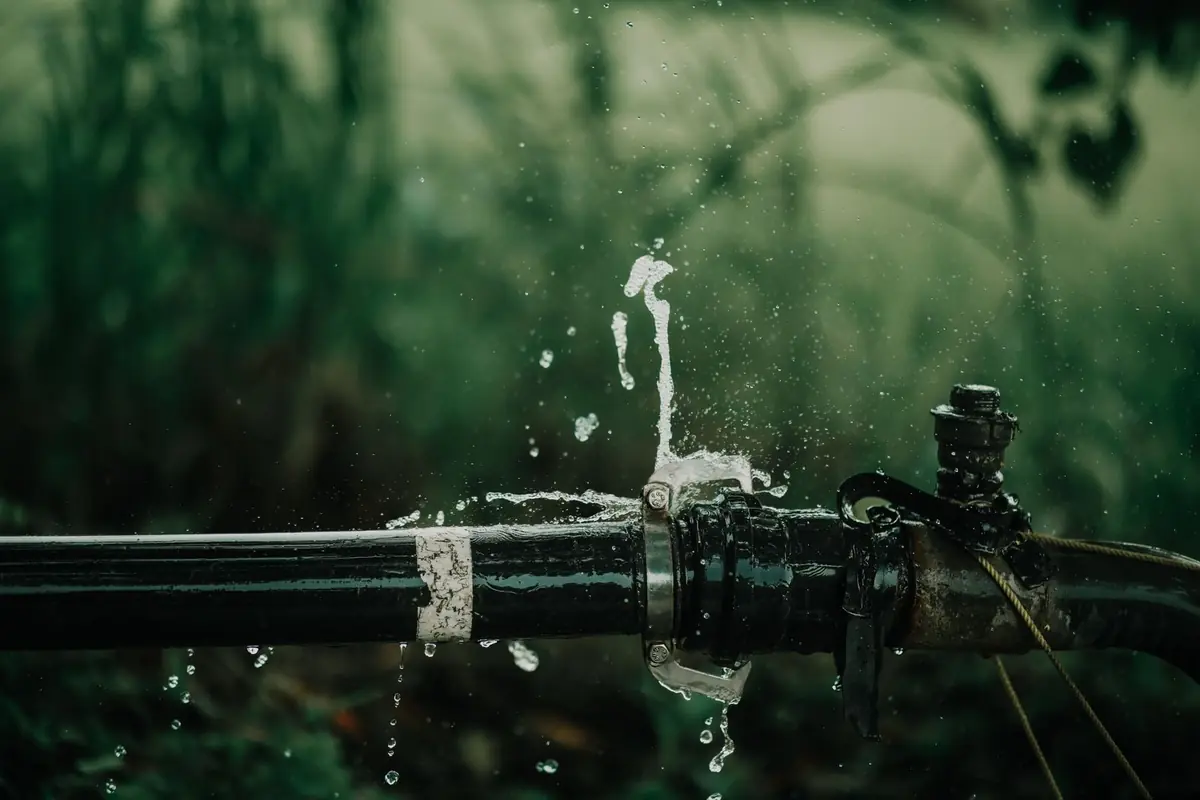
Know Your Shutoff Before You Need It
Every other item on this list is prevention; this one is damage control, and it comes first because it is the step people fumble at 2 a.m. in a flooding house. Find your main shutoff now, while it is warm. In most Sherman homes it is in the meter box at the street; you will want a meter key or a wrench that fits, kept somewhere you can find it in the dark. Turn the house-side valve to confirm it actually moves: valves that have not been touched in a decade sometimes do not. Then walk the house and find the local shutoffs, behind toilets, under sinks, behind the washing machine, and the water heater's valve and drain pan while you are there.
Do this once and a burst pipe becomes an inconvenience with a known first move, instead of a search conducted while water runs. If a line does let go despite everything, that knowledge is what turns a disaster into a call for repairing burst pipe water damage instead of a whole-house flood.
The Week Before: Insulation And Sealing
Freeze preparation happens at the temperature of the forecast, not the temperature of the night. When a hard freeze enters the Grayson County forecast, the National Weather Service in Fort Worth issues the watches and warnings for our area, give yourself a day to work through the exposed points:
- Insulate every pipe you can reach in unheated spaces: attic runs, crawlspaces under pier-and-beam homes, garage walls. Foam sleeves are inexpensive and go on in minutes; the pipes along exterior walls matter most.
- Cover outdoor faucets with insulated covers, and disconnect garden hoses, a connected hose traps water in the faucet body where it can freeze and split the line inside the wall.
- Seal the drafts: cold air streaming through a foundation vent or a gap where a line penetrates an exterior wall is what freezes the pipe beside it. Foam and caulk are freeze protection.
- Check the attic if your water heater or lines live there, insulation over lines, and confirm the heater's drain pan is dry and its drain line clear.
When The Freeze Warning Comes: The Cold-Snap Routine
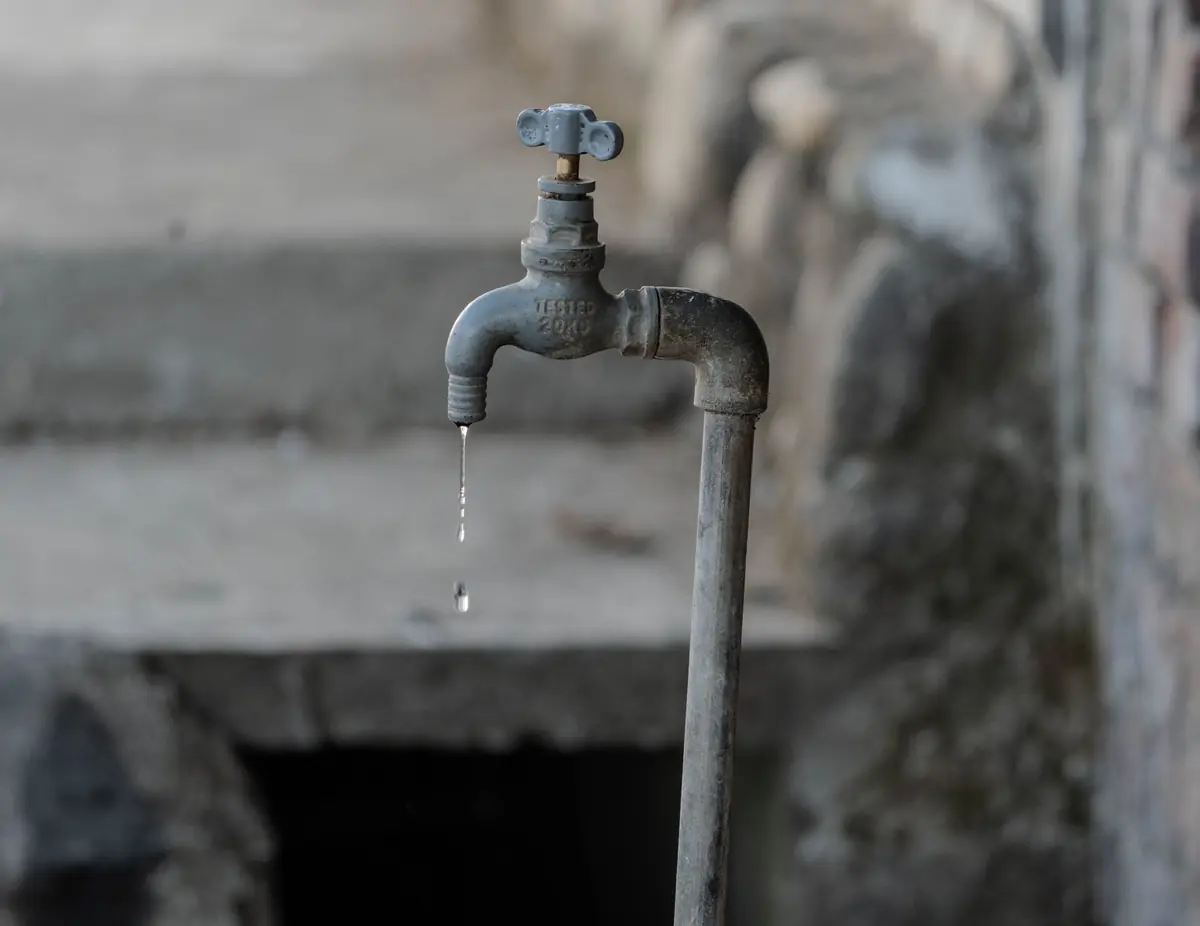
For the nights themselves, the routine is short and it works. Let vulnerable faucets, the ones on exterior walls, drip slowly; moving water resists freezing, and the small pressure relief protects the line. Open the cabinet doors under sinks on exterior walls so the house's warm air reaches the pipes instead of the cabinet trapping the cold against them. Keep the thermostat set to one temperature day and night rather than letting the house cool while you sleep, the coldest hours are the small hours, and that is when unheated wall cavities drop below freezing.
If you will be away, and Sherman's rental streets empty out over the college's winter break, the safer play is to shut the water off at the main and drain the vulnerable lines. An empty house with a burst pipe is the worst version of this event, because the water runs until somebody happens to check.
If A Pipe Freezes Anyway
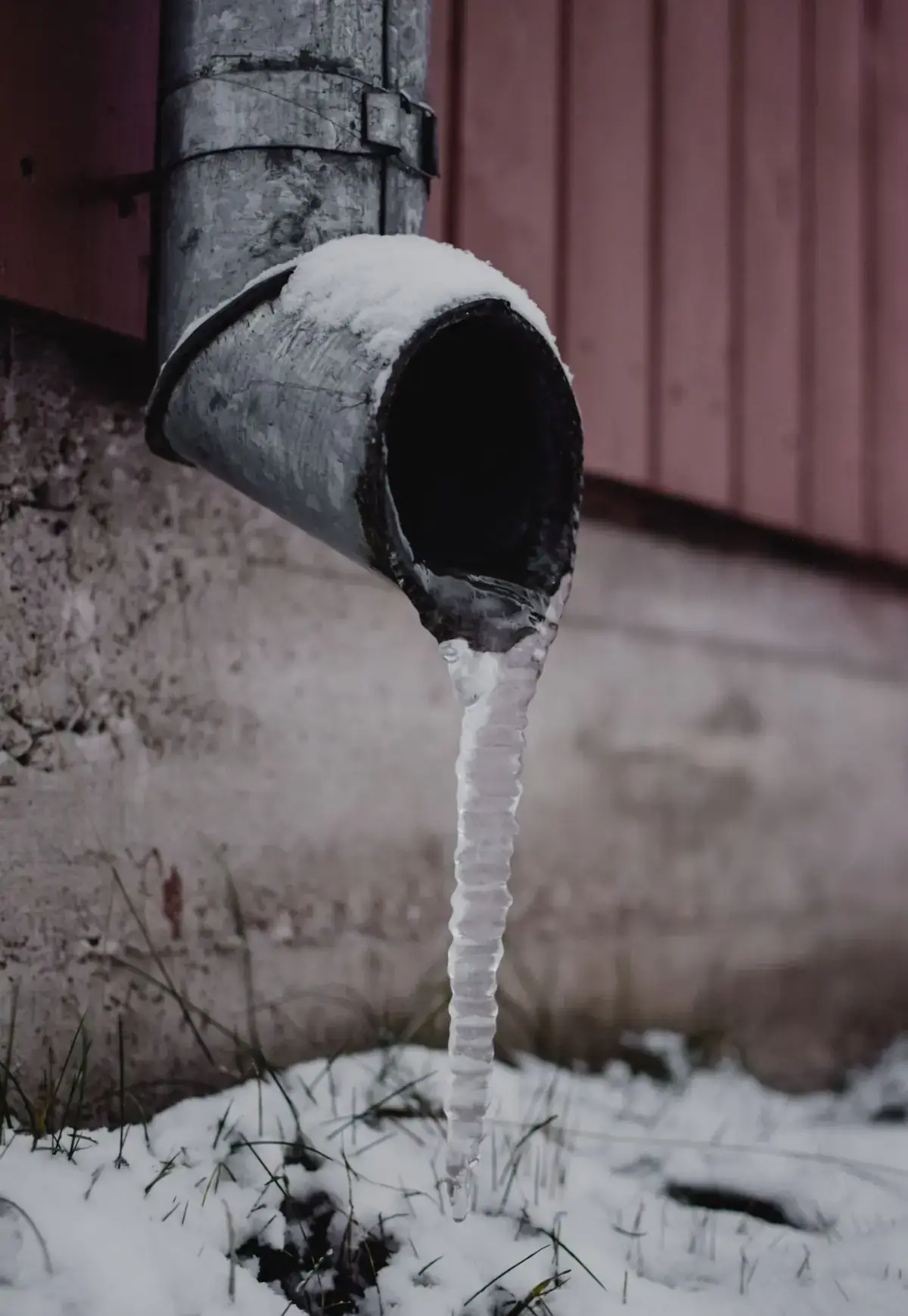
A tap that produces only a trickle, or nothing, on a freezing morning is a frozen line until proven otherwise. Close that fixture's valve, and if you cannot localise it, close the main, because the danger moment is the thaw, when a split you cannot see starts delivering water into a wall. Never apply a torch or open flame to a frozen pipe; gentle warmth (a hair dryer, a space heater at a distance, warm towels) on the exposed section nearest the tap is the safe method. If a pipe has burst, you are past prevention: shut the water off and move to standing-water extraction and cleanup as the thaw releases the water.
North Texas freezes are short, which is exactly why they catch Sherman houses out: the plumbing was never built for a week of hard cold, and a week is sometimes what arrives. An hour of insulation, a found-and-tested shutoff, and a two-minute nightly routine are the whole cost of being ready. If the worst has already happened, our first-hour guide for a burst pipe picks up where this one ends.
Do not forget the systems outside the house's walls. Irrigation backflow preventers are among the most common freeze casualties in Sherman, a brass assembly sitting above ground, full of water, exactly where the cold wants it, and they should be shut off, drained, and insulated before the season's first hard freeze, not repaired after it. Pool equipment, outdoor kitchen lines, and the hose bib on the north wall belong on the same walk. The freeze does not distinguish between the plumbing you think about and the plumbing you forgot you owned.
And if a line splits anyway, preparation still pays out on the cleanup side: a homeowner who knows the shutoff and finds the break at the first drip hands over a smaller job than one who meets it at the ceiling. What that cleanup involves, step by step, is set out on our frozen pipe water damage page.